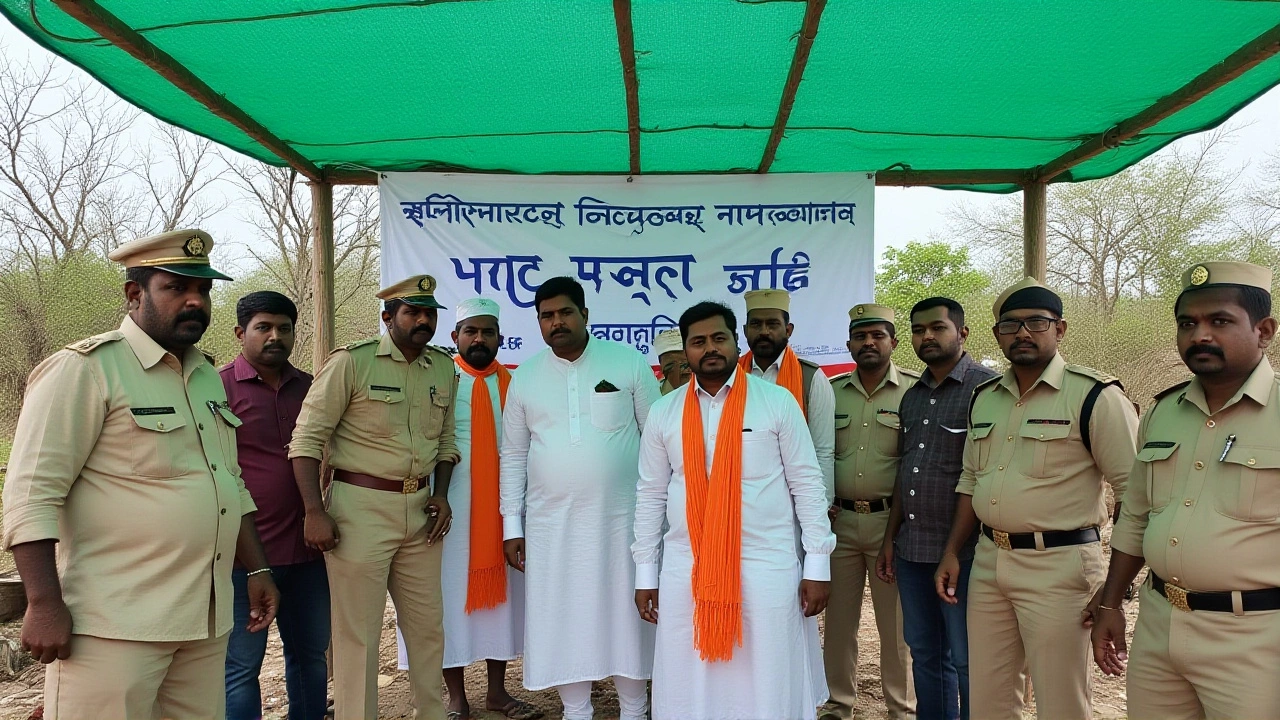
When Debangshu Panda, candidate of the Bharatiya Janata Party (BJP), crossed the finish line in the Falta assembly constituency re-poll on May 24, 2026, it wasn't just a win—it was a statement. Securing 1,49,666 votes, he didn't merely beat his opponents; he dismantled the traditional political order of this South 24 Parganas stronghold. The twist? This seat was once considered a fortress for the ruling Trinamool Congress (TMC). Now, it’s firmly in BJP hands.
The numbers tell a stark story. Panda defeated Jahangir Khan, the Trinamool Congress candidate, by a margin exceeding 1 lakh votes. In fact, Khan finished fourth, polling a mere 7,783 votes. Meanwhile, Shambhu Nath Kurmi of the Communist Party of India (Marxist) took second place with 40,645 votes. The Indian National Congress landed third. It’s a seismic shift in a region that has historically leaned left or regionalist.
A Fortress Crumbles: The Falta Shock
Here’s the thing about Falta. For years, it was seen as a safe bet for the TMC. When news broke that the party had lost its grip here, the reaction in Kolkata was immediate and visceral. Analysts called it a "major setback" for TMC supremo Mamata Banerjee. Why? Because this loss came right on the heels of broader electoral defeats for her party in the state assembly elections. Losing a seat you previously held—and losing it so badly—is different from losing a marginal seat. It signals erosion at the core.
But wait, there’s more context. Jahangir Khan made headlines before the counting even began. On May 19, five days before the vote count, he publicly announced he would not contest the election. His reasoning? He claimed that Chief Minister Suvendu Adhikari had promised a special development package for Falta. Whether this was a strategic retreat or a genuine belief in administrative appeasement remains debated, but the result speaks volumes. Voters clearly didn’t buy the narrative—or perhaps they were already decided.
Counting Day Drama: Round by Round
The counting process itself played out like a thriller. Live bulletins from Aaj Tak showed Panda building an insurmountable lead early. By the 13th round, he had secured approximately 67% of the counted votes, leading by over 58,000. As the rounds progressed, the gap widened relentlessly. By the 19th round, his lead had ballooned to nearly 99,000 votes. At that stage, reports indicated he had polled around 1,337,473 votes—a figure that seems inconsistent with the final total but highlights the overwhelming momentum. The final official tally settled at 1,49,666 for Panda.
This isn’t just about one candidate’s popularity. It reflects a broader realignment. The CPI(M) holding second place suggests that traditional leftist voters are still present but aren’t enough to counter the BJP surge. The Congress party’s third-place finish indicates their continued struggle to regain relevance in Bengal’s complex three-way battle. And TMC’s fourth-place collapse is the headline-grabber.

Political Implications: What Does This Mean?
For the BJP, this victory is sweet. With this win, party leaders claim their assembly strength could reach 207 seats, reinforcing their majority position in the state legislature. It validates their strategy of targeting TMC strongholds in South Bengal. For Mamata Banerjee, however, it’s another bruise. After facing significant losses in the main assembly polls, seeing a former stronghold flip to the opposition with such a massive margin undermines claims of enduring grassroots support.
Experts point out that Khan’s decision to withdraw might have alienated hardcore TMC supporters who felt abandoned. Or, conversely, it might have signaled weakness that discouraged turnout. Either way, the message from Falta is clear: the political landscape in West Bengal is shifting faster than many anticipated. The BJP is no longer just an opposition force; they’re actively capturing territory once thought untouchable.

Looking Ahead: Next Steps for Bengal Politics
What’s next? Expect intense scrutiny of other TMC-held seats in South 24 Parganas. The BJP will likely use Falta as a blueprint for future campaigns. Meanwhile, the TMC faces urgent questions about candidate selection and ground-level organization. Did Khan’s withdrawal cost them the seat? Was the development package promise too little, too late? These debates will dominate party meetings in Kolkata.
For voters, the takeaway is empowerment. They rejected the status quo decisively. Whether this trend continues in upcoming local body elections or future bypolls will determine the long-term trajectory of Bengal’s politics. One thing is certain: the era of complacency for any single party in West Bengal appears to be over.
Frequently Asked Questions
Why did Jahangir Khan withdraw from the election?
Jahangir Khan announced his withdrawal on May 19, 2026, citing a promise from Chief Minister Suvendu Adhikari regarding a special development package for the Falta constituency. This move was widely interpreted as either a strategic concession or a sign of internal party uncertainty, ultimately impacting voter sentiment and turnout for the TMC.
How many votes did Debangshu Panda secure?
Debangshu Panda secured a total of 1,49,666 votes in the Falta re-poll conducted on May 24, 2026. This massive haul allowed him to defeat his nearest rival by a margin of over 1 lakh votes, marking one of the largest victories for the BJP in recent West Bengal history.
Which party finished second in the Falta bypoll?
The Communist Party of India (Marxist), represented by Shambhu Nath Kurmi, finished second with 40,645 votes. This result indicates that while the CPI(M) retains a presence in the region, it is no longer the primary challenger to the BJP in this specific constituency, having been overtaken by the rising tide of anti-incumbency against the TMC.
What does this result mean for Mamata Banerjee?
This result is viewed as a significant setback for Mamata Banerjee and the TMC. Losing a previously held stronghold like Falta with such a wide margin suggests a deepening crisis in the party’s organizational structure and voter connect in South Bengal, compounding earlier losses in the state assembly elections.
Did the BJP increase its assembly seat count with this win?
Yes, BJP leaders stated that this victory brings their total assembly seat count back to 207. This reinforces their majority status in the West Bengal Legislative Assembly and provides a psychological boost ahead of future political engagements in the state.