When Amit Shah, Union Home Minister of Government of India, chaired the seventh meeting of the Island Development Agency in New Delhi, he didn't just review progress—he set a hard deadline for a massive shift. The directive? Achieve 100% renewable energy generation in Andaman and Nicobar Islands and Lakshadweep. This isn't a vague aspiration; it's a concrete order to install solar panels in every single household across these island territories.
The twist is that this move ties directly into the broader national push under the Pradhan Mantri Surya Ghar Yojana. By linking island development with residential solar adoption, the government is attempting to solve two problems at once: energy security for remote regions and decarbonization goals for the nation. It’s a strategic pivot from viewing these islands as logistical burdens to seeing them as models for sustainable living.
A Clear Mandate for Clean Power
During the meeting, Shah emphasized that wind turbines and solar panels are no longer optional add-ons but the backbone of future infrastructure. He explicitly directed the Ministry of New and Renewable Energy to ensure that the Pradhan Mantri Surya Ghar Yojana is implemented without exception in both island groups. The goal is total electrification through renewable sources.
Here’s why this matters: diesel generators have long been the primary power source for these remote islands, leading to high costs and environmental damage. Shifting to 100% renewables means cutting fuel imports, reducing carbon footprints, and stabilizing electricity prices for residents who often face some of the highest tariffs in the country due to transportation logistics.
Shah didn’t stop at policy talk. He reviewed ongoing development projects, ensuring that infrastructure upgrades align with this new energy mandate. The message was clear: no new major project should proceed without integrating clean energy solutions.
From Burden to Strategic Asset
This energy push follows a recent visit by Shah to Port Blair, where he inaugurated nine major development projects worth ₹373 crore (approximately $45 million). During that event, he made a pointed remark about the changing perception of the islands. Under previous administrations, Andaman and Nicobar were often viewed as a financial drain on the exchequer. Today, they are being repositioned as centers of military strength and developmental potential.
"The Modi government has transformed Andaman and Nicobar from a burden into a pillar of national strength," Shah stated during the inauguration. This narrative shift is crucial because it justifies the heavy investment required for renewable infrastructure. If the islands are strategic assets, their energy independence becomes a matter of national security, not just environmental preference.
What Does This Mean for Residents?
For the roughly 400,000 people living across Andaman and Nicobar and the smaller population in Lakshadweep, this directive translates to tangible changes. Every home is targeted for solar panel installation. This means reduced monthly bills, greater reliability during cyclones or supply chain disruptions, and potentially even income generation if surplus power can be fed back into local grids.
However, challenges remain. The technical feasibility of storing enough energy to handle peak loads and seasonal variations is significant. Wind and solar are intermittent. Without robust battery storage systems—which are expensive—the promise of 100% renewable energy might face practical hurdles. Experts suggest that hybrid systems combining wind, solar, and tidal energy could be necessary, though the current focus remains heavily on rooftop solar.
The Bigger Picture: India’s Green Ambition
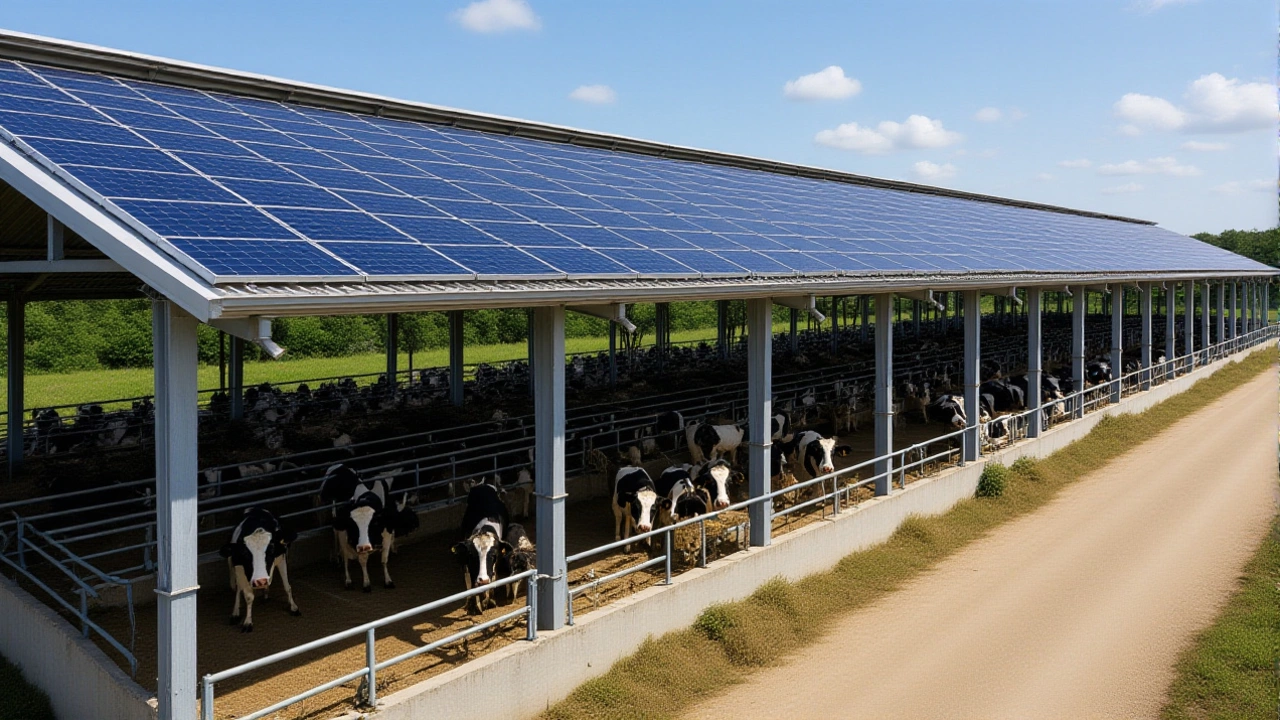
This initiative fits squarely into Prime Minister Narendra Modi’s broader vision for India’s energy transition. With targets to reach 500 GW of non-fossil fuel capacity by 2030, decentralized renewable energy in remote areas serves as a testing ground for technologies that could later be scaled up. Success in the islands would provide a blueprint for other coastal and rural regions facing similar logistical challenges.
Critics might argue that the timeline is aggressive. Yet, the political will appears strong. By placing the Home Minister at the helm of the Island Development Agency, the government signals that this is a priority crossing departmental silos. It’s not just an energy issue; it’s a governance and security imperative.
Frequently Asked Questions
What exactly is the 100% renewable energy target for Andaman and Lakshadweep?
The target mandates that all electricity consumed in the Andaman and Nicobar Islands and Lakshadweep must come from renewable sources like wind and solar. This includes installing solar panels in every residential household under the Pradhan Mantri Surya Ghar Yojana, aiming to eliminate dependence on diesel generators entirely.
How does the Pradhan Mantri Surya Ghar Yojana apply to these islands?
Under this scheme, the government provides subsidies and support for installing rooftop solar panels. For the islands, Amit Shah directed that this program be implemented universally, meaning every home should get solar connectivity. This helps reduce electricity costs and supports the broader goal of grid independence through clean energy.
Why is the Home Minister involved in energy policy for these islands?
The Andaman and Nicobar Islands and Lakshadweep are Union Territories with significant strategic and military importance. As Union Home Minister, Amit Shah oversees their administration and development. His involvement highlights that energy security in these regions is linked to national defense and administrative efficiency, not just utility management.
What recent developments preceded this announcement?
Prior to this directive, Amit Shah visited Port Blair and inaugurated nine development projects worth ₹373 crore. He emphasized transforming the islands from a financial burden into a center of growth and strength. This energy mandate is part of that larger infrastructure overhaul, focusing on sustainable and self-reliant systems.
Are there challenges to achieving 100% renewable energy in these islands?
Yes, intermittency is a major challenge. Solar and wind power depend on weather conditions. To maintain a stable grid, significant investment in battery storage and possibly hybrid systems (including tidal energy) is needed. Additionally, the initial cost of infrastructure upgrade is high, requiring sustained funding and technical expertise to manage remote installations effectively.