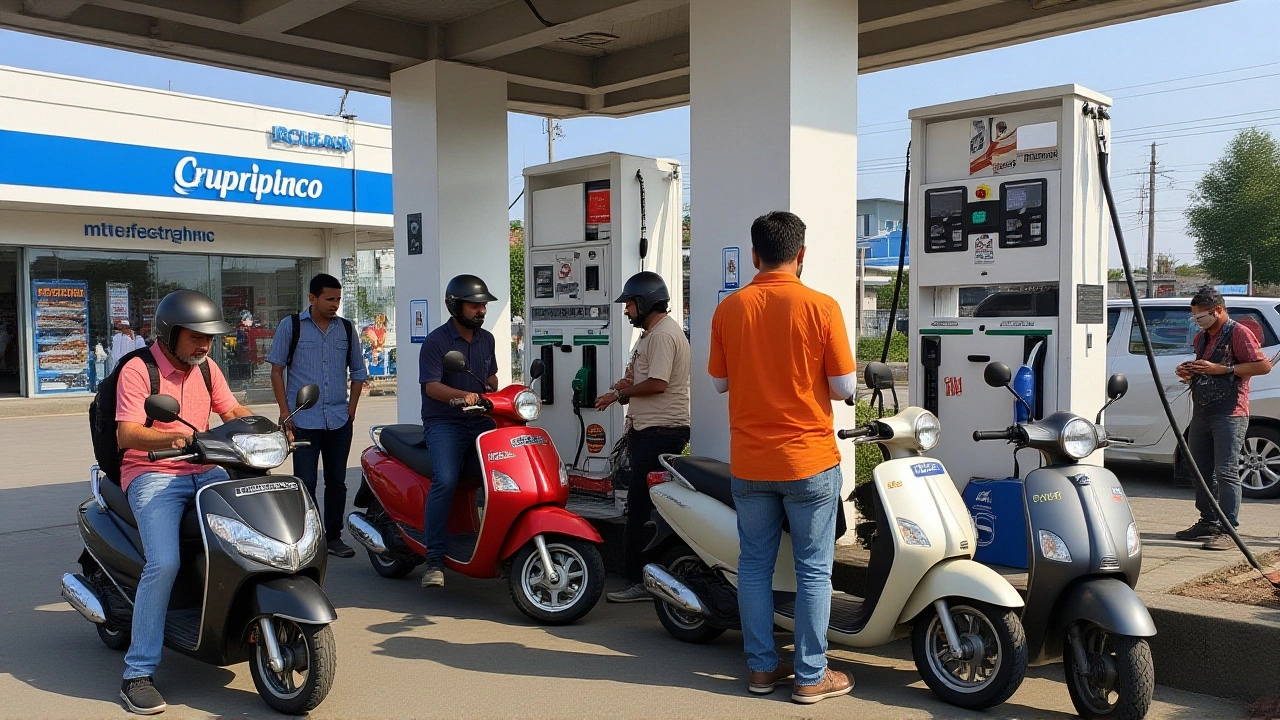
It’s a familiar frustration at the pump, but this time it feels different. Average Indian commuters are facing a relentless barrage of fuel price hikes, with petrol and diesel costs jumping four times in just 10 to 11 days. The cumulative effect? A staggering ₹7 per liter increase that is draining wallets faster than ever before.
This isn't isolated to one region. From the busy streets of New Delhi to the commercial hubs of Mumbai, Kolkata, and Chennai, consumers are watching their transport budgets evaporate. The twist? While international crude prices have skyrocketed due to geopolitical tensions, domestic tax policies are amplifying the pain for everyday citizens.
The Rapid Fire Price Hikes
Here’s the thing: these increases aren’t gradual adjustments; they’re sudden shocks. Reports indicate that within an eight-day window alone, prices were revised three separate times. One hike saw petrol jump by ₹3.00 per liter, followed quickly by smaller but frequent increments of ₹0.90 and then ₹0.87–₹0.91.
By May 19, the situation had escalated further. On that single Tuesday, petrol became 86 paise more expensive and diesel rose by 83 paise across the country. In New Delhi, petrol hit ₹98.64 per liter while diesel reached ₹91.58. It’s a pattern of incremental damage that adds up to significant financial strain.
But wait—the numbers get even more complex when you look at city-specific variations. While Delhi saw those figures, Chennai residents paid ₹107.77 for petrol and ₹99.55 for diesel. Kolkata users faced petrol at ₹110.64 and diesel at ₹97.02. Mumbai sat somewhere in between with petrol at ₹108.49 and diesel at ₹95.02. These discrepancies highlight how state taxes play a massive role in what you actually pay at the nozzle.
Global Turmoil Meets Local Taxes
So, why is this happening now? The primary driver is global instability. Tensions in the Middle East have sent shockwaves through energy markets. According to data from the Petroleum Planning and Analysis Cell (PPAC), part of India's Ministry of Petroleum and Natural Gas, the price of the Indian Basket crude oil surged dramatically.
In February 2026, before recent escalations, the average crude price was $69.01 per barrel. By April 29, 2026, that number had climbed to $116.52 per barrel. That’s a 68.84% increase in just two months. Since India imports about 85% of its crude oil needs, this global spike directly impacts domestic refining costs.
However, blaming only global factors misses half the picture. Domestic taxation has also tightened. Earlier in May, the central government increased excise duties by ₹10 on petrol and ₹13 on diesel per liter. Simultaneously, local governments like the Delhi administration raised VAT/taxes by ₹1.67 on petrol and a hefty ₹7.10 on diesel. This combination of global supply shocks and local fiscal decisions created a perfect storm for high fuel prices.
Diesel Surpasses Petrol in Delhi
There’s another oddity emerging from this crisis. For the first time in history, diesel became more expensive than petrol in New Delhi. At one point, diesel was priced at ₹79.88 per liter compared to petrol at ₹79.76. This inversion occurred because state-level tax hikes on diesel were disproportionately higher than those on petrol, reflecting policy choices rather than market realities.
This anomaly underscores how regulatory frameworks can distort consumer economics. When diesel—which powers most of India’s logistics and public transport—becomes pricier than petrol, the ripple effects touch everything from vegetable prices to school bus fares.
Government Response and Public Sentiment
The Ministry of Petroleum and Natural Gas has attempted to calm fears amid rumors of post-election price surges. An official press release clarified that despite volatile international markets, there had been no immediate change in retail prices for certain periods, ensuring stability for over 90% of the retail network.
They also noted that household LPG cylinder prices (14.2 kg) remained unchanged since March 7, 2026, protecting roughly 33 crore households from additional cooking fuel costs. Yet, for drivers, this relief doesn’t translate to savings at the gas station.
Political reactions have been mixed. While some leaders criticize the timing of tax hikes, others argue that revenue generation is necessary for infrastructure development. But for the common man, the debate is less about politics and more about survival. As one TV bulletin reporter noted, “The impact is hitting the common man’s pocket directly.”
What Lies Ahead?
Looking forward, the outlook remains uncertain. If Middle Eastern tensions persist, crude prices could stay elevated or rise further. Oil marketing companies, already absorbing some costs, may pass on more expenses to consumers if margins shrink too thin.
Experts suggest monitoring the next few weeks closely. Any de-escalation in global conflicts might bring temporary relief, but structural issues like high import dependency and layered taxation will keep prices sensitive to external shocks. Until then, Indians should brace for continued volatility at the pumps.
Frequently Asked Questions
Why did diesel become more expensive than petrol in Delhi?
This unusual inversion happened due to specific state-level tax policies. The Delhi government imposed a significantly higher VAT increase on diesel (₹7.10 per liter) compared to petrol (₹1.67 per liter). Combined with central excise duty hikes, this pushed diesel prices above petrol temporarily, marking a historic shift in local pricing dynamics.
How much have fuel prices increased in the last 10 days?
Reports indicate that petrol and diesel prices were hiked four times within a 10-to-11-day period. The total cumulative increase amounts to approximately ₹7 per liter. This rapid succession of hikes includes larger jumps of around ₹3 followed by smaller daily adjustments, creating a compounding effect on consumer costs.
What is causing the surge in international crude oil prices?
The primary cause is geopolitical tension in the Middle East, which has disrupted supply chains and reduced availability. According to PPAC data, the Indian Basket crude price jumped from $69.01 per barrel in February 2026 to $116.52 by late April 2026—a 68.84% rise driven by war-related uncertainties and heightened demand.
Will LPG cylinder prices also go up soon?
As of the latest reports, household LPG prices for 33 crore users have remained stable since March 7, 2026. The Ministry of Petroleum stated that despite rising crude costs, no changes were made to domestic cylinder rates during this period, offering some relief to families against broader inflationary pressures.
Which cities have the highest fuel prices currently?
Among major metros, Chennai often records some of the highest petrol prices, recently hitting ₹107.77 per liter. Kolkata follows closely with petrol at ₹110.64 and diesel near ₹97.02. Mumbai sees petrol at ₹108.49, while New Delhi lags slightly behind with petrol at ₹98.64, though it experienced unique diesel-petro pricing inversions earlier.